
Utilities are a major but often-overlooked expense by home buyers who are budgeting for a new house. If you’re relocating to a new area or moving into a larger house, you might feel totally lost when trying to estimate your utility costs.
A typical single-family home will incur the following bills:
- Electricity
- Gas
- Water
- Sewer
- Trash removal
- Internet
You probably pay most, if not all, of these costs at your current residence. However, these bills can fluctuate depending on the location, size, layout, and condition of the property. Here are 10 tips for estimating a home’s utility bills before you buy it:

1. Ask the seller for recent utility bills.
Requesting utility bills from the seller is probably the most reliable way for you to assess the home’s utility costs. Sellers don’t have to provide these statements, but you can ask for them while negotiating on the home.
Keep in mind that utility costs can fluctuate significantly from month to month. If possible, get the last year of statements so you can see how the bills change with each season.

2. Research average costs in the area.
If you can’t get copies of the house’s utility statements, you can research average costs in the area to get a ballpark estimate. Your state’s average utility costs should be easy to find online. You may be able to find more specific averages for your county or city, too.
Because utility costs can vary by household, consider how your new house compares to the average home in your area. If your house is a lot smaller than the average, you can expect that the utility costs will be lower.

3. For a local move, look at your current bills.
If you’re moving within the same town or county, your current utility bills could give you good insight into what your costs will amount to in your new home. The usage may vary depending on the size and layout of the old and new houses, but the rates will probably stay the same.
4. Reach out to the utility companies.
Utility companies typically won’t give out details about a specific address’s bill or usage history due to privacy concerns. However, they may be able to offer you the average usage or utility costs for the neighborhood.
If your new house is comparable in size, age, and condition to the neighboring homes, the neighborhood average can be a great starting point for estimating your utility costs. The utility company may even be able to provide you with a specific estimate based on data from houses in the area that are similar in size to yours.
5. Use an online calculator.
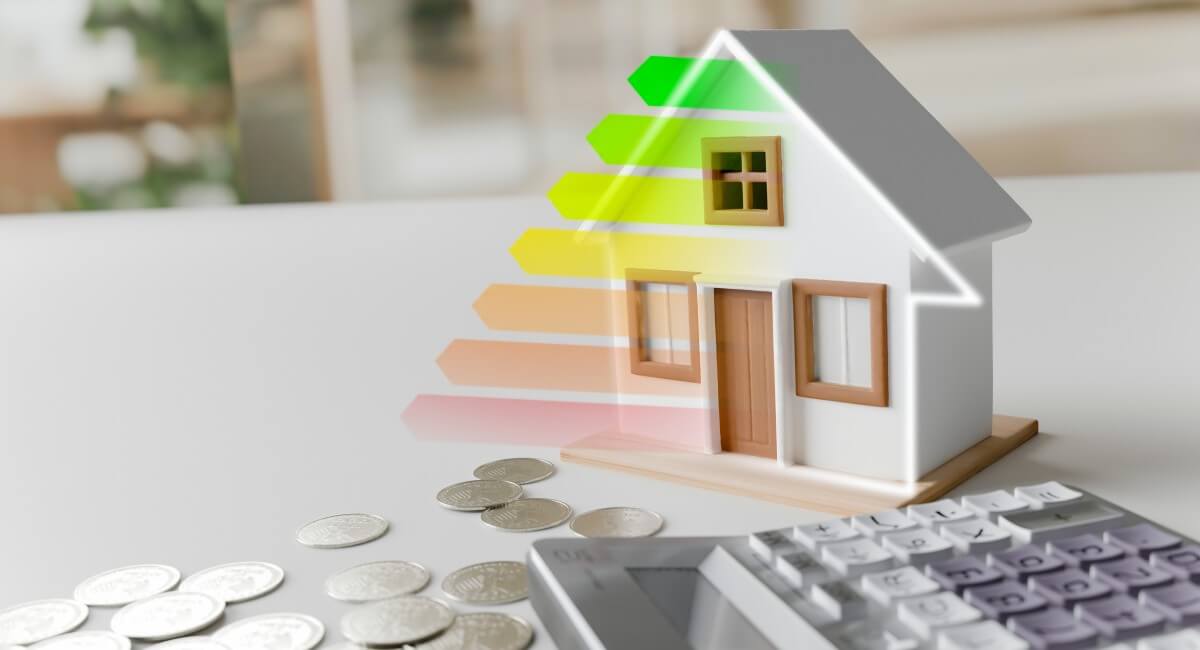
Online calculators vary in their accuracy, but they can be a useful tool if you’re struggling to find specific data about the house’s utility costs. Most calculators factor in the size, age, and location of the home as well as the size of your household. Calculators that use rates or averages for your specific location will be more accurate than calculators that use the national average.
6. Look at data from all seasons.
If you live in an area that experiences four distinct seasons, most of your utility bills will fluctuate from month to month. In the summer, your heating costs may be next to nothing. In the winter, this bill could be hundreds of dollars.
Electric costs tend to be higher in the summer due to the use of air conditioning. However, if the house uses electric heat, the costs may be steep in the winter as well. If you water your lawn or garden regularly in the summer, your water bill will also be higher during the warmer months.
Not only can your utility usage fluctuate from season to season, but the utility company’s rates may change as well. Electric rates may increase during the high-demand summer months, and gas rates may peak during the winter. Not only should you research the home’s average usage, but you should look at how rates tend to change throughout the year.
7. Consider the home’s size and age.
Obviously, larger homes will have higher costs for heating, cooling, and electricity. If you’re upgrading to a bigger house, you should expect your utility bills to increase proportional to the size increase of the home.
Age can play a big role in utility costs, too. Older houses are typically less insulated than newer ones, so they require more energy to regulate their temperature. Older appliances usually use more electricity than newer ones as well.

8. Factor in the home’s design and materials.
The layout of the house is another major factor in the utility costs, especially for heating and cooling. Many homeowners think that open concept homes are easier to heat and cool because the air can flow freely throughout the house. However, closed concept homes are actually cheaper on utilities because enclosed spaces maintain their temperature better.
The type and amount of insulation in the house can greatly affect heating and cooling costs, too. A well-insulated attic or basement will prevent warm or cold air from escaping, making it much more efficient to keep your house comfortable.
Similarly, the age and quality of the windows will impact utility costs. New, properly sealed windows will prevent the air from escaping. Old, drafty windows will run up your utility bills.
The type of heating and cooling system the home uses also matters. Modern systems, like heat pumps and mini-splits, tend to be very effective at regulating your house’s temperature at a fairly low cost. Older systems, on the other hand, aren’t so efficient.
9. Consider your lifestyle.
Not only does the size and design of the home itself impact utility costs, but your individual lifestyle factors do as well. If you prefer your home to be extra cool in the summer and warm in the winter, it’ll be reflected in your bill. If you work from home, you may see higher electricity costs. If you take pride in your lawn and garden, you’ll probably have a high water bill.
Think about the activities or tasks you participate in that could run up your gas, water, or electric bill, and consider the ways in which you might be more frugal than the average person. If your current utility costs are higher or lower than the average for your area, you should expect the same to be true at your new home.
10. Think about upgrades that will reduce your utility costs.
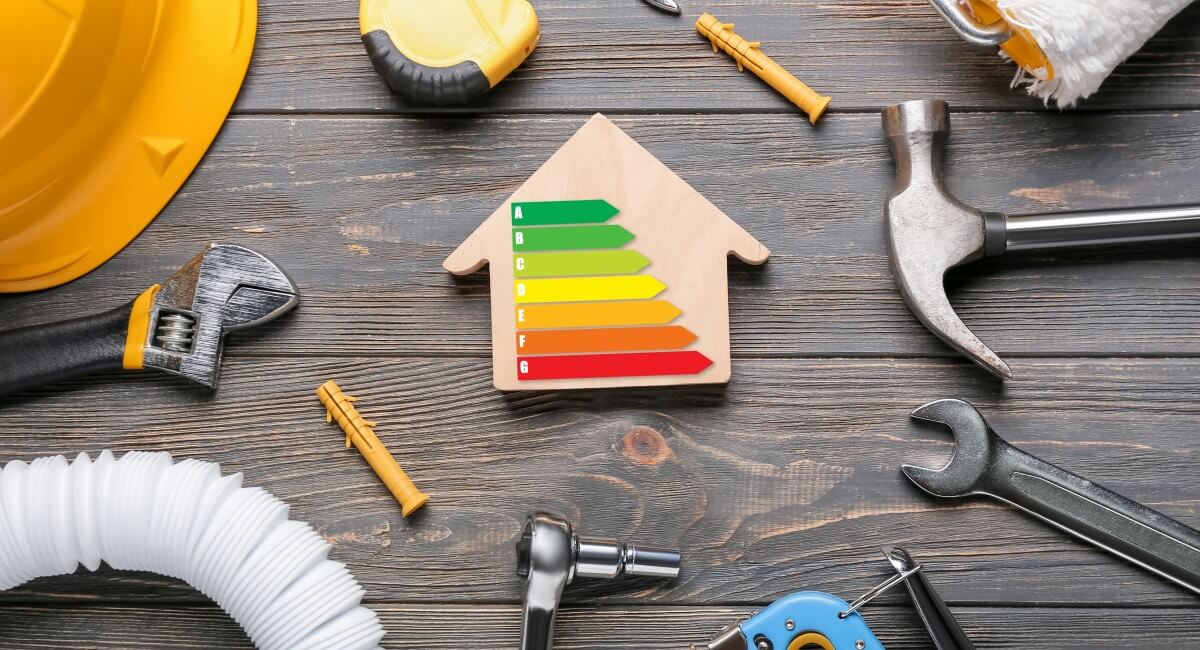
If you’re concerned about high utility expenses at your new home, consider whether you could make improvements to the house that will cut costs. While an upgrade may be a big one-time expense, you could recoup that money over time through utility savings.
There may also be small, budget-friendly projects that help with the utility bills, too. For example, you could fix a leaky faucet to reduce water waste, or you could swap out traditional light bulbs with LEDs to cut down on electricity usage.
For the average household, utility costs can amount to $500 per month or even more. Budgeting to buy a house can be difficult enough on its own, so it’s extremely important that you factor in these utility costs as well. The best way to estimate the utility expenses at your new home is to see the historical bills for the property. If you can’t access them, you should gather as much data as possible from other sources to make an educated guess on the costs you’ll be facing.