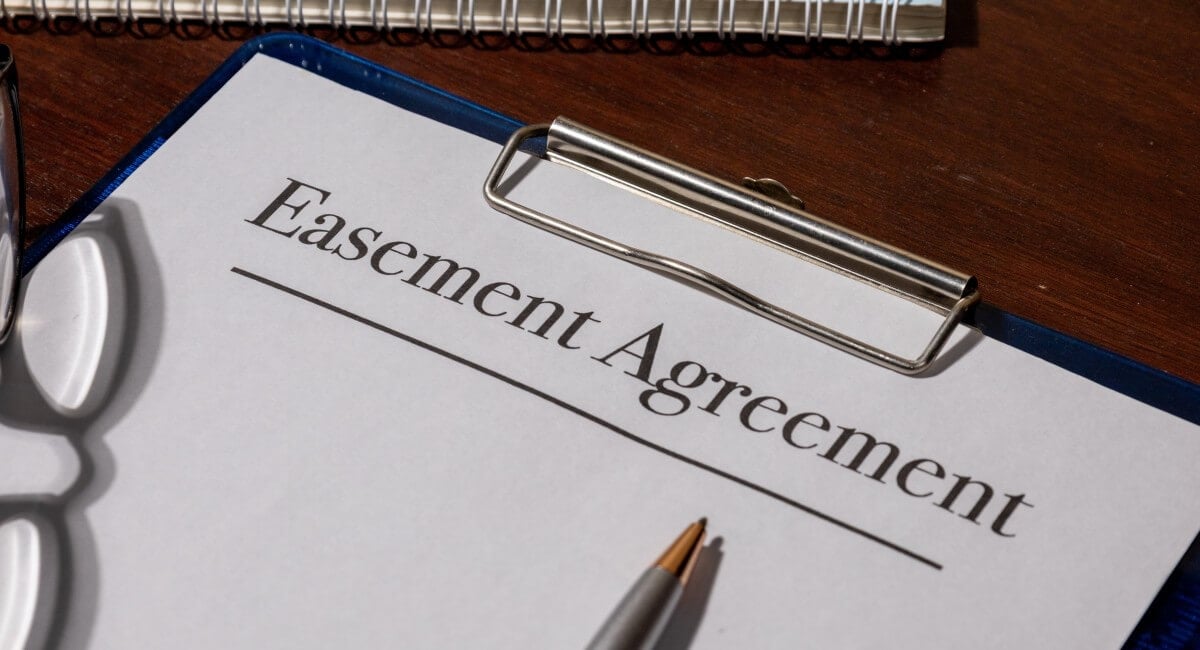
Easements are one of many considerations to take into account when deciding whether to purchase a home. An easement isn’t always a huge red flag, but it can cause issues for homeowners.
If you’re in the market for a new home, you should understand what easements are, how to discover them, and how you can decide whether the property is still worth buying.
What Is an Easement?
An easement is a legal agreement that grants someone else access to your property for a specific reason.
Easements are typically recorded with the property’s deed and pass from homeowner to homeowner. In other words, if you purchase a home with an easement, you must honor the easement. Otherwise, you could face legal consequences.
Types of Easements
There are many types of easements that apply to residential properties. Each type functions in a slightly different way. The specifics of the agreement should be outlined in the legal contract.

Easement Appurtenant
An easement appurtenant is attached to the land itself. This agreement identifies a dominant estate and servient estate. The owner of the dominant estate can use the servient estate for a specific purpose.
One of the most common examples of an easement appurtenant is with a property that can only be accessed by crossing someone else’s property. In this case, the property owner may be granted the right to enter the neighbor’s property for the purpose of reaching their own home.
An easement appurtenant “runs with the land,” which means it remains in effect when the dominant property is sold. The new homeowners will have the same right to use the servient property as the original homeowners.
Easement in Gross
An easement in gross is given to a specific person or group rather than to the property itself. For example, a utility easement is typically considered an easement in gross. Under this agreement, the utility company is allowed to access a homeowner’s property to work on the utility lines.
Easements in gross sometimes run with the land and sometimes don’t, depending on the state law and the specifics of the agreement. This means that the easement may expire when the homeowner sells the property. However, it’s still very important for the buyer to read and understand the agreement.

Prescriptive Easement
A prescriptive easement can be granted after one person or entity uses the land continually without permission for a long period of time. The laws around prescriptive easements vary by state, but most states require that the person use the land for at least 10 to 20 years before the easement will be approved.
Prescriptive easements are typically found in rural areas where people own large plots of land. If you can’t see every corner of your land, it’s possible that people are using it without your knowledge.
For instance, you might discover that a hiking trail passes through a corner of your land. If you try to remove the trail, the hikers could pursue a prescriptive easement in court.
Private Easement
A private easement is an agreement between two private property owners. The terms of the agreement only apply to those individuals. For example, your property could have an easement that prevents you from building a structure that would block your neighbor’s view.
Public Easement
A public easement allows the public at large to access your land for a specific purpose. For instance, an easement could allow a public sidewalk to cross over your property. Under this agreement, anyone who needs to use the sidewalk can access your land as long as they stay on the walkway.
It’s important to note that one agreement can cover multiple types of easements. For example, if your neighbor is legally allowed to use your driveway to access their house, this is both an easement appurtenant and a private easement.
How Easements Can Affect Your Land
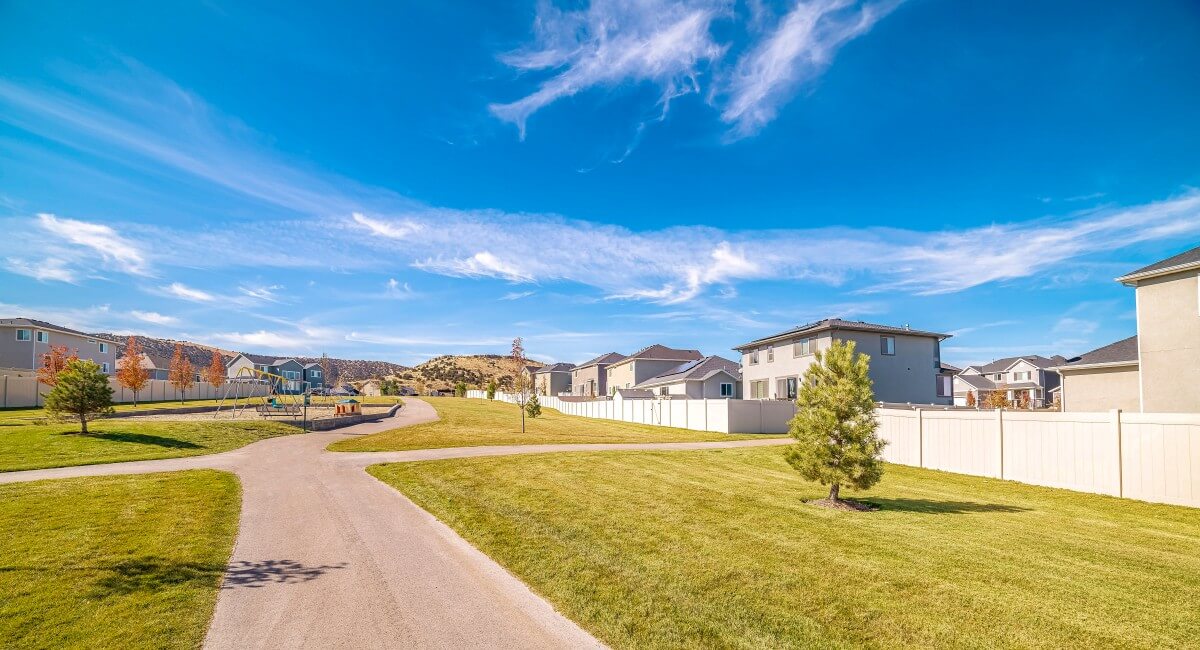
In some cases, an easement will have virtually no impact on your experience as a homeowner and your enjoyment of your property. In other cases, an easement can cause significant challenges.
Here are some of the disadvantages to owning a property with an easement:
Access to Your Land By Others
An easement doesn’t grant the public full and free access to your property. However, it does allow certain people to use your land for specific reasons. This can feel invasive, especially if you value your privacy.
Inability to Develop
Some types of easements prevent you from developing on your land or require you to seek permission before starting a construction project. For example, an easement might prevent you from building an addition onto your home because it would obstruct your neighbor’s view.
It can be frustrating not to have full control over your own property. This is especially true if you purchased the property with the intention of building on it and later discovered that an easement will get in the way of your plans.

Property Value Problems
An easement could negatively impact the value of your property. Some home buyers will steer clear of houses with easements because they don’t want the legal headache. Easements that prevent development can be especially harmful to your property value.
How to Discover Easements on a Home
When you’re buying a property, researching easements should be a part of the closing process. Easements are typically revealed during the title search. If your offer includes a title contingency, you may be able to renegotiate the deal based on the finding of an easement.
The seller may also disclose the easement to you directly. In some states, sellers are required to disclose easements. However, it’s possible that the seller isn’t aware that the easement exists, which is why the title search is so important.
A property survey may also reveal an easement. Surveys are public record, so you could check with your local courthouse or town office to see if any surveys have been conducted on the land. You could also request a new survey before you close on the house.
Should You Buy a Home With an Easement?
Many types of easements cause little to no disruption to homeowners. If the easement won’t impact your quality of life or your plans for the property, you can probably proceed with the sale with no issue.
If you think the easement will affect your sense of privacy, peace, or control over your property, it may be worth reconsidering the sale. You might be able to negotiate a lower sale price or better terms, or you may decide to walk away altogether.
It sometimes is possible to terminate an easement through the court system. If you’re highly motivated to buy the property, you could try to pursue a termination. However, this can be an expensive, lengthy, and stressful legal process that isn’t guaranteed to be successful.
Buying a home with an easement is a personal decision. Before you determine whether it’s the right choice, you should thoroughly read and understand the agreement. If you have any uncertainty about the location or terms of the easement, consult with your real estate agent or with a property lawyer.