
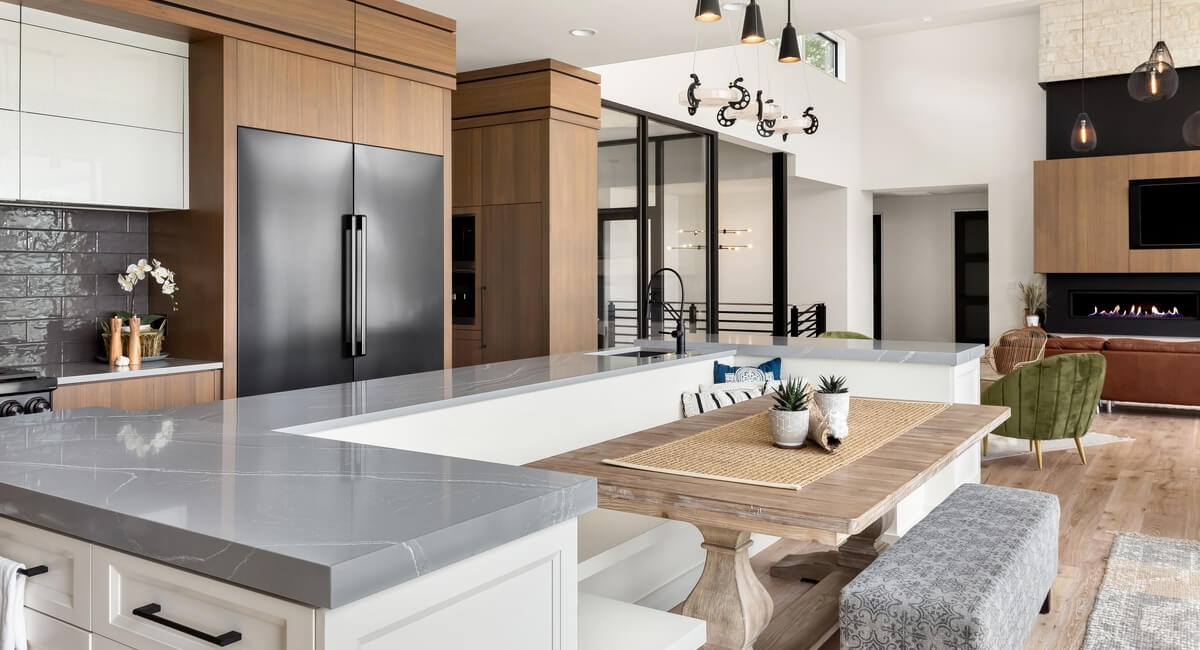
Square footage is one of the first details in most real estate listings, but it shouldn’t be your only consideration. While the size of a house does matter, its floor plan and layout may be even more important.
The floor plan dictates where you put your furniture, how you decorate, and how you can move from room to room. A good layout can do wonders to offset a small square footage. Whether you’re buying or selling a home, you should understand why layout matters so much and what makes a strong floor plan.
Functional Flow
Instead of thinking about architecture as stationary design, think of it as something that’s always moving and flowing. Although your house doesn’t literally move, you experience it while you’re in motion all the time.
Well-designed homes have a natural, functional flow from room to room. It feels easy and intuitive to travel from one space to the next, and transitions between rooms feel clear but not abrupt.
For example, common areas like the living room and kitchen should flow into each other. You don’t need an open-concept floor plan, but moving between the rooms should feel effortless. When someone enters the house for the first time, it should be easy for them to navigate.
Private areas, on the other hand, feel more comfortable when offset from the main living area. Hallways are an effective way to create a transition from common spaces to bedrooms or offices. A bedroom that opens out right into a living room or kitchen can feel awkward.
The floor plan should also minimize the amount of steps you need to take to go about your usual tasks and routine. For instance, no one should have to walk from one side of the house all the way to the other to use the bathroom.
Dead vs Usable Space
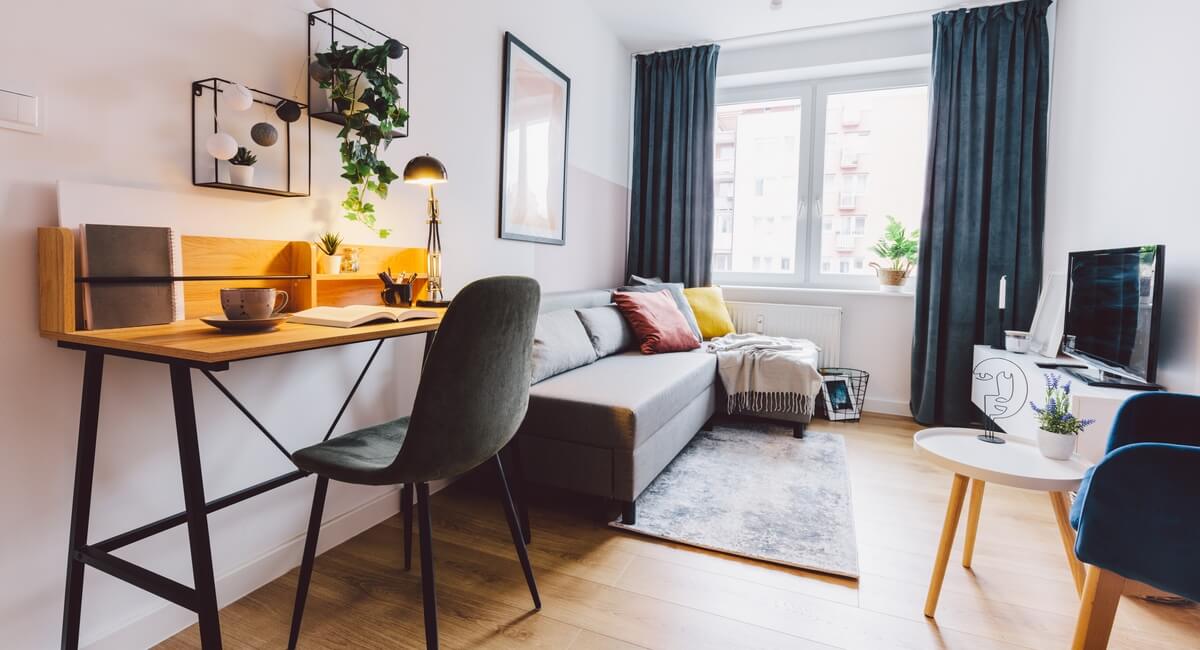
Not all space is equal in a floor plan. A house with massive square footage may not meet all your needs if a lot of that space is unusable. Alternatively, a small home can feel enormous when every inch of the floor plan goes to good use.
Odd angles, inconvenient corners, and small nooks throughout a home can eat away at the usable square footage. If an area can’t accommodate furniture or provide storage space, it’s virtually useless.
Excessively large rooms can create dead space, too. For example, you only need so much living room. After a certain point, more square footage in the living room doesn’t offer any benefits. It just creates another space you have to fill with furniture or decor. You might wish that, instead of a massive living room, you have a larger bedroom, pantry, or kitchen.
When a home is perfectly functional with every space having a clear purpose, you’ll have a much better experience. You have enough room to accommodate your life but not so much room that filling the empty space is a hassle.
Ceiling Height
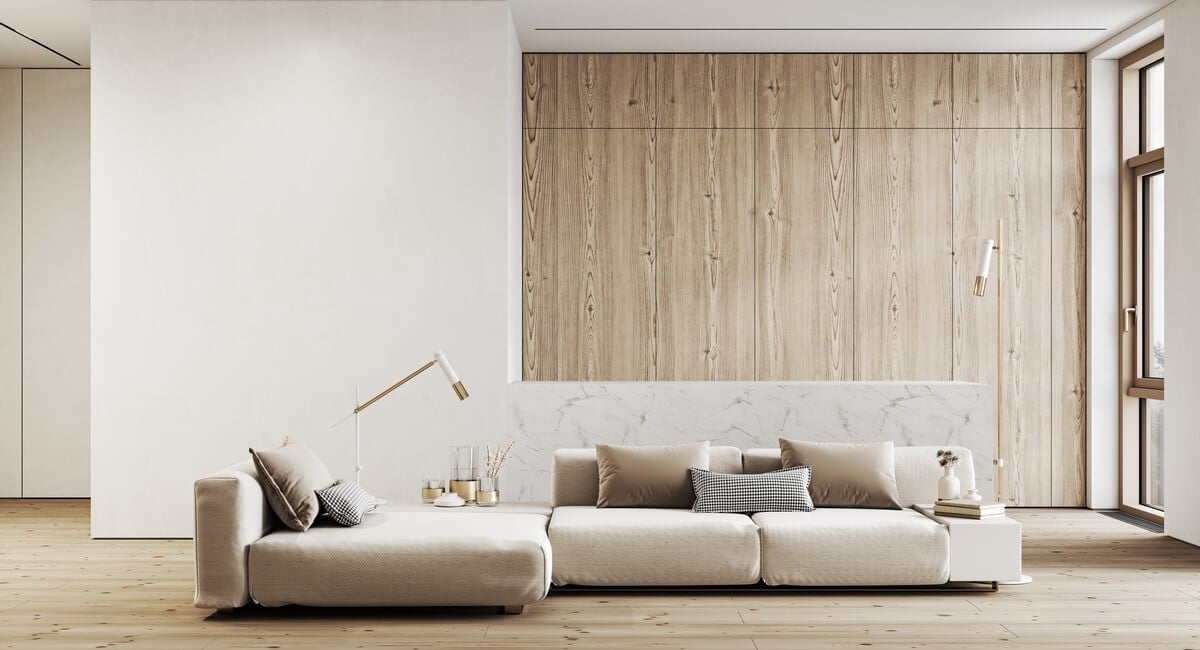
Vertical space can easily go overlooked, but it’s almost as important as square footage. Ceiling height significantly adds to the volume of a space and draws your eyes upward and outward. A room with high ceilings will feel larger, airier, and more luxurious than a room of the exact same size with low ceilings.
Research even suggests that ceiling height may have an impact on your mood and cognitive abilities. People tend to do better with tasks requiring creative and abstract thinking while in rooms with high ceilings. In low-ceiling rooms, people succeed more with detail-oriented tasks.
High ceilings are an excellent feature in common areas because they direct your focus outward, allowing for more connection and conversation. Lower ceilings are ideal for offices, bedrooms, or other private spaces because they foster a sense of comfort and security.
Ceiling height isn’t factored into square footage, which is just one reason it’s so important to consider the overall layout and design of a house. Two homes with identical square footage could feel completely different simply because of a difference in ceiling height.
Furniture Arrangement
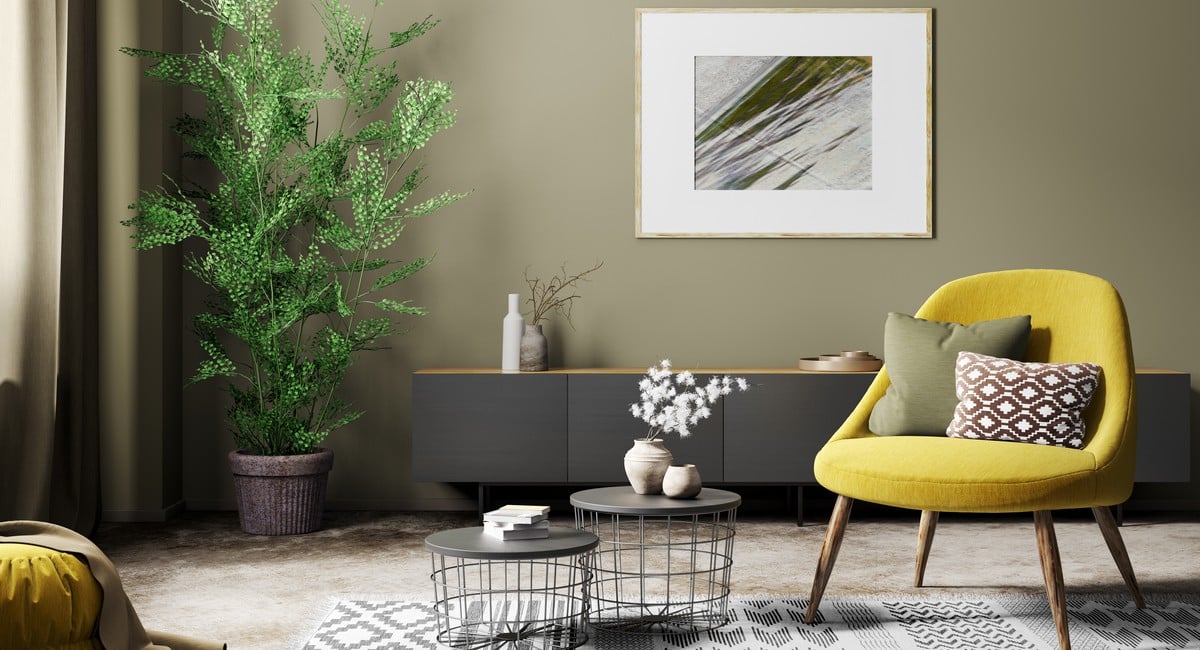
Where you place your furniture matters. You can completely transform a room just by changing the orientation of a sofa, table, or desk. Furniture placement can open up a room and create a natural flow from space to space, or it can cause a room to feel disjointed, closed-off, and unwelcoming.
The floor plan is the main determiner of where and how you can arrange your furniture. If a wall is too short or an angle is too tight, you’ll be unfortunately limited in how you can set the pieces up.
Ideally, your home’s layout should allow you to perfectly arrange your furniture in an inviting and intuitive way. This makes a huge difference in your home’s flow and can be a great way to optimize even the smallest spaces.
Sight Lines
Your sight line includes everything you can see while standing at a specific point in your home. Typically, long sight lines help to expand the space. When you can see more house, the house looks bigger.
Obstructed lines of sight in living areas can subconsciously cause stress or tension. If you can’t see what’s around the corner, you might feel on edge.
However, having too much in sight can also sometimes create discomfort. For instance, you may not want guests to see the dirty dishes in the kitchen sink while they’re sitting on the living room couch. It’s also not ideal for the bathroom to be in the line of sight from the dining room.
Natural Lighting
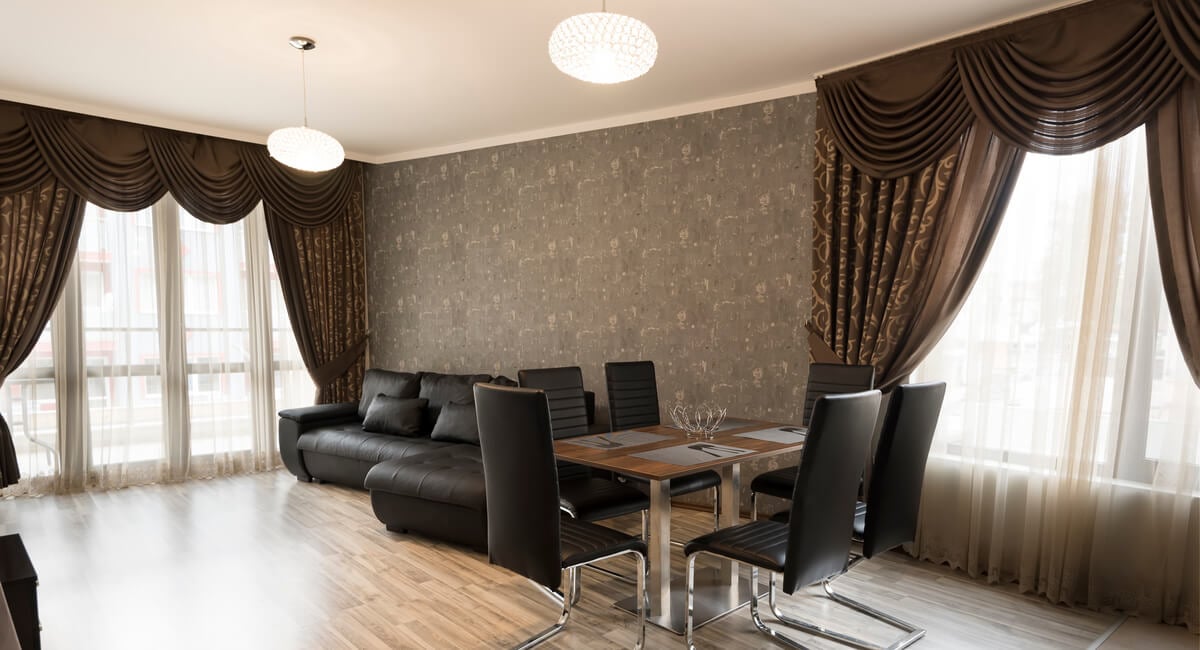
Natural lighting makes all the difference in your house’s mood and atmosphere. Some layouts are more conducive to letting natural light in than others. If your home has a lot of south-facing windows, you likely get tons of natural daylight. Taller ceilings can also be helpful for letting more light in.
Bright spaces usually look larger and warmer. A home could be enormous by square footage but feel claustrophobic due to poor lighting.
Layout vs Square Footage: Which Matters More?
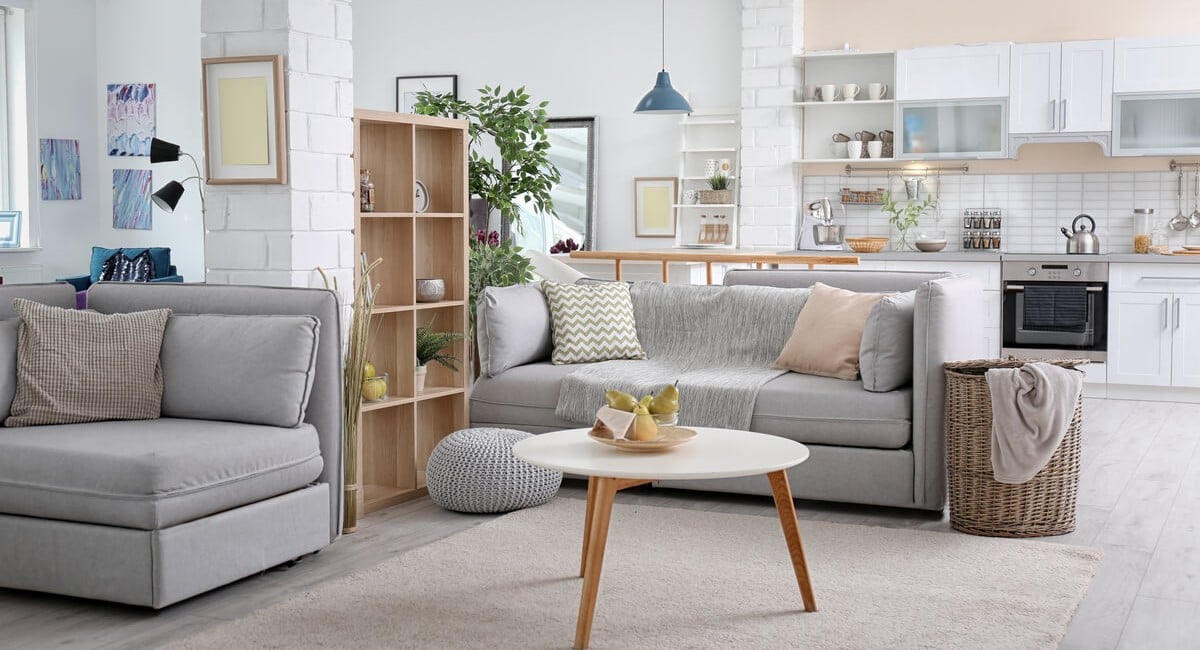
The size of a house will always be a deciding factor for home buyers. However, square footage shouldn’t be a home’s only selling point. A smaller home with a functional, practical layout can offer much more than a large home with a layout that doesn’t suit your lifestyle needs.
If you’re in the market to buy a house, carefully consider the layout of a home when making your decision. This is one reason it’s so important to attend an in-person showing so you can experience the flow of the space.
If you’re selling your house and are concerned that buyers will think it’s too small, focus on all the benefits the floor plan has to offer instead. Arrange your furniture in the most functional way possible, embrace natural lighting, and maximize the sight lines. Showcasing the practical and intuitive layout is one of the best ways to market your home.