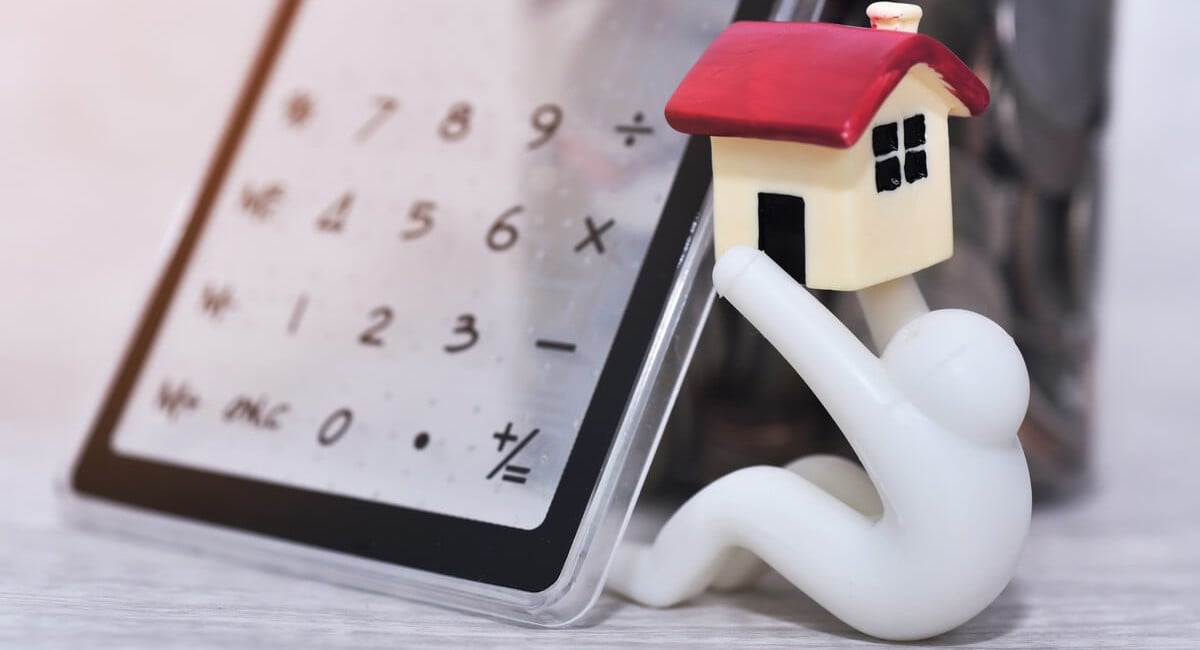
Interest rates can have an enormous impact on the state of the housing market. A change of just one percentage point can significantly affect supply, demand, and your personal buying power. Understanding the effects of interest rates on the market will help you set a realistic budget and strategy for your home purchase.
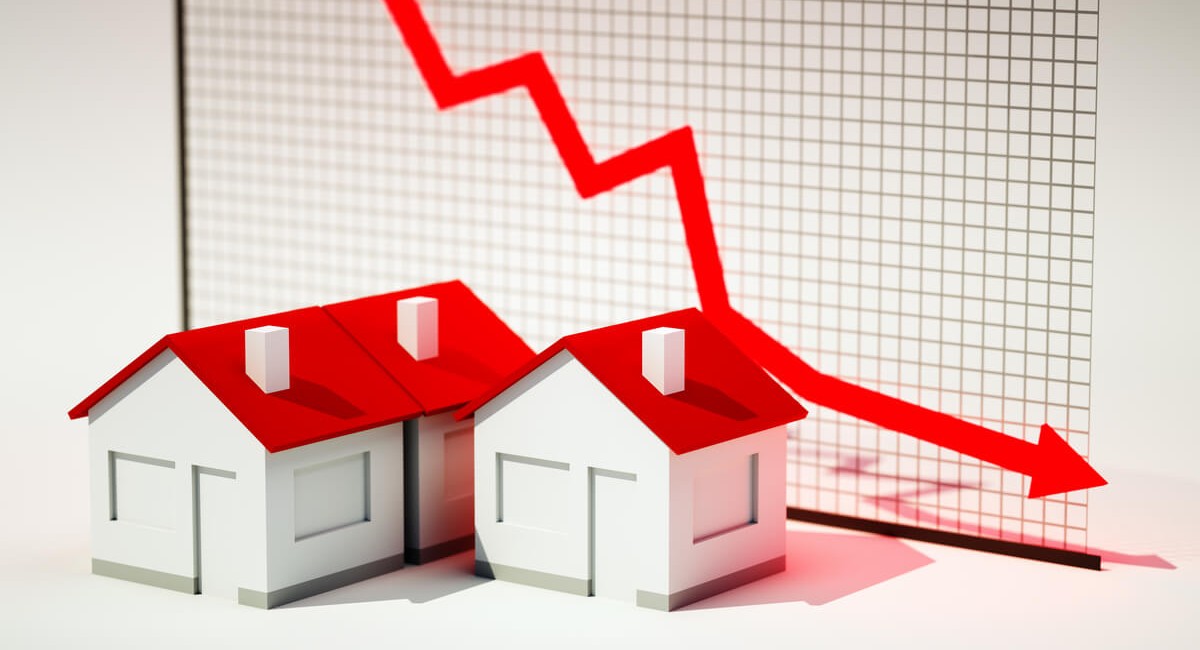
How Interest Rates Are Set
The Federal Reserve, or the Fed, is the main determiner of mortgage interest rates. Banks can hold their reserve funds with the Fed and borrow cash from other banks through the Fed when they need extra liquidity for their operations. The Fed sets the federal funds rate, which is the interest rate range that banks charge one another for short-term, usually overnight, loans.
Banks set their interest rates for consumers based on the federal funds rate. The consumer interest rate, known as the prime rate, is about 3 percentage points higher than the federal funds rate. For example, if the Fed sets the federal funds rate to a range of 4% to 4.25%, mortgage rates for consumers will hover around 7% to 7.25%.
The Fed can change interest rates as a strategy to regulate the economy. Decreasing the federal funds rate and therefore decreasing the prime rate can stimulate the economy, which is needed during times of stalled economic growth or high unemployment. Lower rates give consumers more buying power, so more people purchase homes, cars, and other goods.
Increasing rates, on the other hand, calms the economy down, which is necessary during times of high inflation. When rates rise, consumers’ buying power is limited, and they spend less. This curbs inflation and prevents costs from getting out of control.
The Federal Reserve regularly adjusts interest rates to try to maintain a healthy economy. Some ebb and flow to the market is normal and expected, but home buyers can experience negative effects from both rising and falling rates.

High Rates Decrease Your Buying Power
When mortgage interest rates rise, it costs you more money to take out a home loan. A difference of a couple percentage points could make a difference of tens of thousands of dollars over the lifespan of a mortgage. Therefore, when rates rise, buyers look for cheaper homes to offset the high interest costs.
You can use the 1/10 rule to calculate how interest rates impact your buying power. This rule states that a 1% rate increase results in 10% less buying power. For example, you may be able to afford a $400,000 home loan at a 4% interest rate. At 5% interest, your buying power drops by 10%, or $40,000. Now, you can only afford a $360,000 mortgage.
High Rates Decrease Supply
The number of available homes on the market usually drops when interest rates rise. Homeowners who secured a low interest rate don’t want to sell their homes because they would have to forfeit their rate and take on a new, more expensive mortgage. There are usually fewer buyers in the market when rates rise, too, so many prospective sellers decide to wait to list their homes until the market becomes more competitive.
Interest rates also impact construction costs. Because consumers have less buying power, fewer people can afford the loans needed to build new housing. Without enough new homes being built, the supply continues to dwindle.
Low Rates Increase Competition
When rates decrease, home buyers and investors have more purchasing power. A low interest rate means that more of your monthly mortgage payment will go toward the principal balance. When you can pay more in principal every month, you can afford a more expensive house.
Home buyers jump to take advantage of the buying power that low interest rates provide. With a rush of buyers entering the market, competition increases. You may see houses sell within hours of hitting the market. Investors make offers without even visiting the home in-person. Bidding wars become commonplace as everyone tries to secure their low-interest home loans.

Low Rates Spark Inflation
Because demand for housing increases so much when rates drop, home prices will start to rise. Sellers know that buyers are desperate to enter the market, so they list their homes for higher and higher prices. In especially hot markets, you might see housing costs rise at much faster rates than wages. As the effects of inflation are felt, your buying power will decrease.
The Cycle of the Housing Market
The conditions of the housing market and the overall economy are constantly cycling. When the Fed increases rates, you have to cut your home budget to account for the higher interest payments. When rates drop, you can afford a bigger mortgage. However, you face more competition and rapidly rising home prices as buyers flood the market. Then, the Fed increases rates again to slow down the activity and combat inflation.
Timing the market to purchase an inexpensive home at a low interest rate can be extremely difficult. Although the market follows trends, no one knows exactly when housing prices will hit their peak or when rates will bottom out. Local markets can vary from the national trends, too. Instead of trying to buy a house at the perfect moment in the cycle, it’s better to wait until you’re personally ready for homeownership.

How to Maintain Your Buying Power When Rates Rise
The federal rates affect everyone, but there are a few things you can do to maintain your buying power despite rising interest rates. Most importantly, you can secure a lower mortgage rate if you make yourself a more attractive lender to banks.
Mortgage lenders award lower rates to borrowers with better credit because they’re lower-risk customers. You can boost your credit score by paying down debt, making all of your payments on time, and having a variety of types of credit. However, you should avoid taking on new credit shortly before you apply for a mortgage.
Making a larger down payment can increase your buying power, too. When your loan-to-value ratio is lower, your lender may award you a smaller interest rate. If you can make a down payment of 20%, you’ll also avoid paying private mortgage insurance. When you cut PMI out of your budget, you can afford a larger monthly principal payment.
If rates are rising while you’re applying for a mortgage, lock in your rate with your lender. Most lenders allow you to lock in your rate for 30 days, but some will let you lock your rate for 120 days or even longer. By locking in your rate, you give yourself more time to search for the perfect home without needing to worry about your buying power diminishing.
Rising interest rates will affect your buying power and your strategy in the real estate market, but low rates have their drawbacks as well. Instead of waiting for the perfect market conditions, try to adjust your budget and strategies based on the current state of the economy. If you feel like now is the right time to buy a house, consult with a financial advisor and real estate agent to make your game plan.